Hands-On Manual Therapy
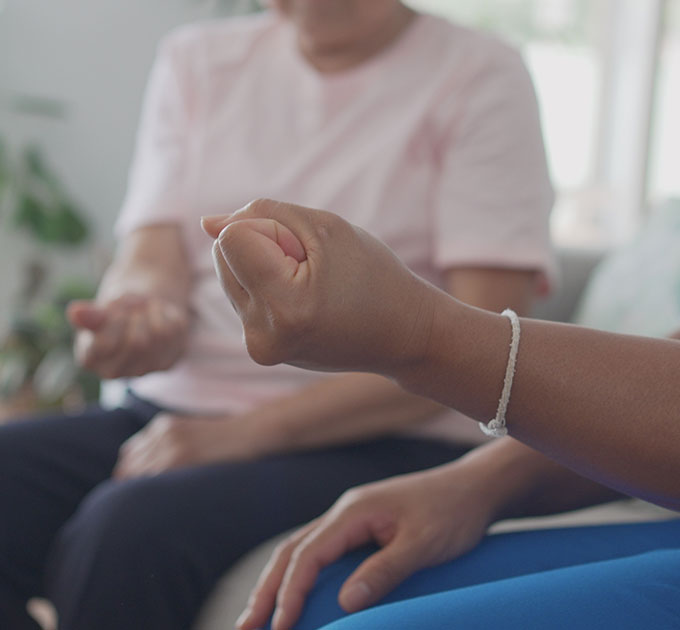
Manual therapy is a specialized, hands-on treatment approach used to restore natural movement in joints, muscles, and soft tissues when pain, stiffness, or restriction is limiting function.
Rather than relying on machines or passive modalities, this care is delivered directly by a trained physical therapist using precise techniques tailored to how your body is moving that day. It is especially useful when discomfort, swelling, or tissue tightness is preventing comfortable, efficient motion.
What this looks like
- Skilled hands-on joint and soft tissue techniques
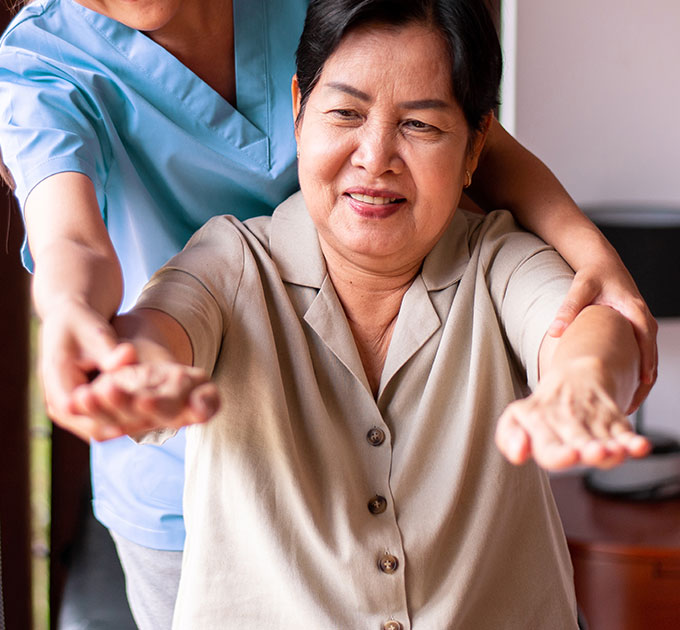
- Assisted stretching and guided range-of-motion work
- Nerve and circulation-focused treatment when appropriate
How it may help you
- Reduce pain and stiffness
- Improve joint mobility
- Decrease muscle and tissue restriction
- Support circulation and swelling control
- Make movement feel smoother and easier
Strength & Conditioning for Daily Function
Strength and conditioning therapy focuses on rebuilding the physical support system your body relies on for everyday movement, such as getting up from a chair, climbing steps, carrying items, and walking safely.
Unlike gym-style training, this work is built around real-life function and safety, with controlled progressions that match your current ability level. It is commonly needed after illness, inactivity, surgery, or gradual age-related strength loss.
What this looks like
- Guided resistance and functional movement exercises
- Sit-to-stand, step, and walking-based training
- Gradual progression based on tolerance
How it may help you
- Improve stability and balance
- Make transfers and stairs safer
- Increase walking endurance
- Reduce fatigue with daily tasks
- Support long-term independence

Individualized Home
Exercise Programs
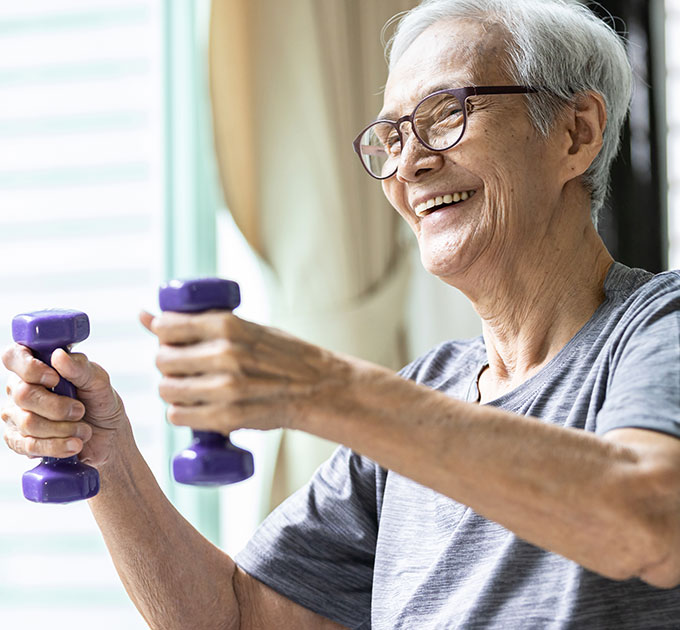
A home exercise program is a customized movement plan tailored to your needs, limitations, and goals. These exercises reinforce what is done during therapy sessions and help your progress continue between visits. Each program is adjusted as your strength, balance, and mobility improve, ensuring the work stays effective and appropriate.
What this looks like
- Simple, clearly taught exercises
- Movements tied to your daily activities
- Written and demonstrated instructions
- Regular updates as you improve
How it may help you
- Maintain progress between visits
- Build consistency and confidence
- Support long-term movement health
- Prevent decline after formal therapy ends
Education & Guidance for Aging Well
Movement changes with age, but loss of confidence and independence doesn’t have to follow. Education-based therapy focuses on helping you understand how your body is functioning, what risks may be present, and what practical steps can improve safety and comfort. This service gives you clear, usable knowledge so you can make informed decisions about your daily activities.
What this looks like
- Movement and posture coaching
- Fall-risk reduction strategies
- Activity pacing and energy conservation guidance
- Home and routine safety recommendations
How it may help you
- Reduce fear of movement
- Improve confidence with activity
- Support safer daily habits
- Help manage chronic conditions
- Extend independence
Gait Analysis & Walking Retraining
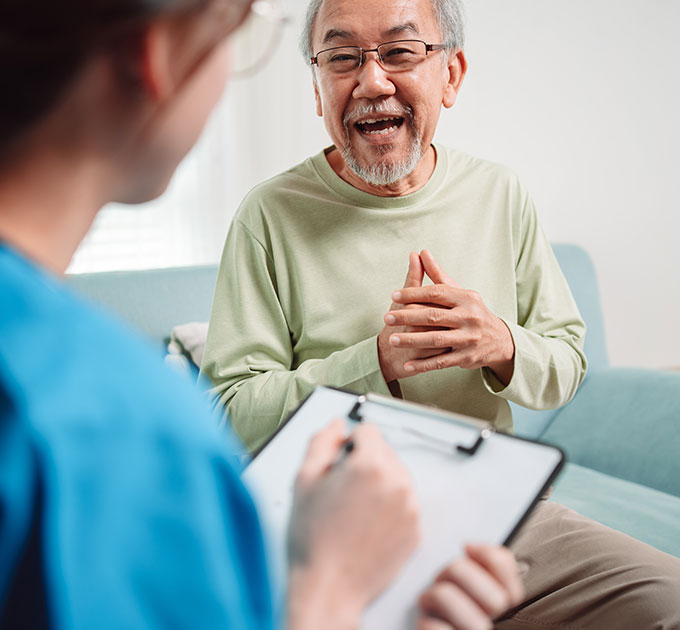
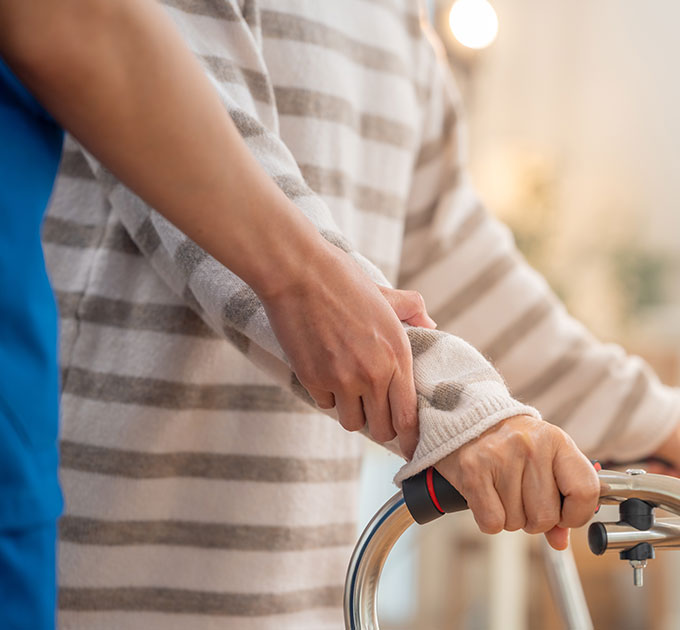
Walking changes often happen gradually, making them easy to overlook — but even small shifts in step pattern, posture, or rhythm can increase fall risk and energy use. Gait analysis carefully evaluates how you walk in real conditions and identifies the movement factors that need correction or support. Retraining then focuses on rebuilding safer, more efficient walking patterns.
What this looks like
- Observation of walking, turning, and obstacle navigation
- Assessment of step length, clearance, posture, and symmetry
- Walking practice in real home environments
How it may help you
- Improve walking safety
- Increase step consistency
- Reduce shuffling or hesitation
- Improve turning and obstacle negotiation
- Increase walking confidence
Functional Task Analysis
Functional task analysis looks beyond isolated exercises and instead evaluates how you perform the movements that actually make up your day — standing, turning, reaching, transferring, and navigating your environment. By breaking these tasks into movement components, therapy can target the exact areas creating difficulty rather than guessing at the cause.
What this looks like
- Assessment of transfers and position changes
- Observation of reaching, bending, and turning tasks
- Movement breakdown of problem areas
How it may help you
- Make daily tasks safer
- Improve efficiency with routine movements
- Reduce strain and risk
- Build confidence in real situations
Balance Therapy & Fall Prevention
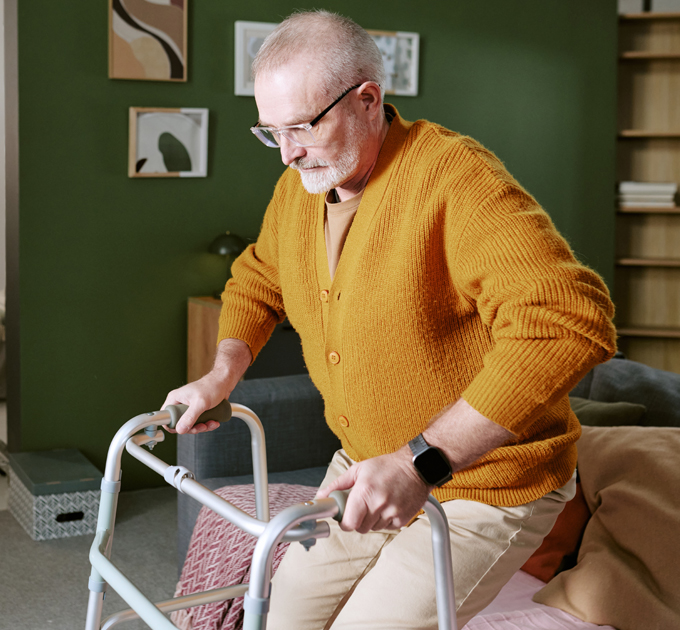
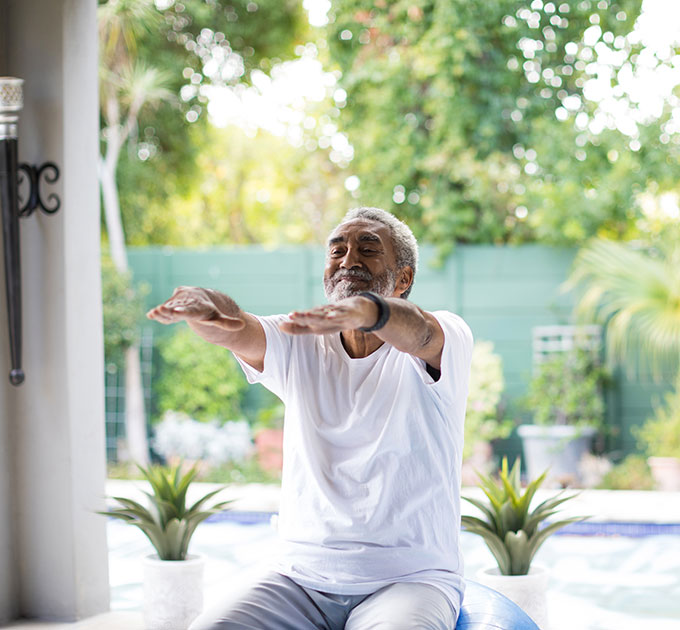
Balance isn’t just one skill; it’s the result of strength, coordination, sensation, reaction time, and joint mobility working together. Balance therapy evaluates these systems and trains them in combination so stability improves in real-life conditions, not just during static tests. Fall prevention work is proactive and structured, not reactive after an incident occurs.
What this looks like
- Standing and dynamic balance training
- Direction-change and recovery practice
- Real-world movement challenges
How it may help you
- Reduce fall risk
- Improve steadiness
- Strengthen balance reactions
- Increase confidence moving at home and outside
- Support safe independence
Parkinson’s Disease
Specialized Care
Parkinson’s disease affects movement size, speed, coordination, and posture, and those changes require therapy approaches designed specifically for neurological movement patterns. Specialized Parkinson’s care uses research-backed movement systems to help maintain function, mobility, and independence as symptoms evolve.
Credentials include
- LSVT BIG® Certified
- PWR!Moves® Trained
What this looks like
- Large-amplitude movement training
- Posture and gait work
- Repetition-based functional movement practice
How it may help you
- Improve movement initiation
- Increase movement size and control
- Reduce rigidity effects
- Support walking and balance safety
- Maintain functional independence longer


Post-Operative Rehabilitation
at Home
Recovering from surgery at home presents different challenges than recovering in a clinic setting. In-home post-operative rehabilitation focuses on restoring movement, strength, and confidence within your actual living environment while respecting surgical precautions and healing timelines. Care is structured, progressive, and closely monitored.
What this looks like
- Guided mobility and range-of-motion work
- Progressive strengthening
- Walking and transfer training
- Swelling and discomfort management
How it may help you
- Restore joint motion
- Rebuild strength safely
- Improve walking and transfers
- Reduce recovery complications
- Return to daily routines sooner
Comprehensive In-Home Assessments
An in-home assessment evaluates not only how you move, but how your environment supports — or interferes with — safe movement. This whole-picture review helps identify risks and opportunities that are often missed in clinic-only evaluations. Recommendations are practical, personalized, and immediately actionable.
What this looks like
- Home safety walkthrough
- Equipment and device assessment
- Assistive device fitting and training
How it may help you
- Identify hidden fall risks
- Improve equipment safety
- Increase confidence using devices
- Support safer daily movement
- Prevent avoidable accidents